“SOCIAL MEDIA FROM THE PAST VS. NOW; IN DISCERNING INFORMATION DURING DISASTER”

What is social media?
The term “social media” is used a lot these days to describe a variety of different digital platforms. For the purpose of this piece, social media refers to social networking sites like Facebook, Twitter, Instagram, Pinterest, YouTube, LinkedIn, etc.
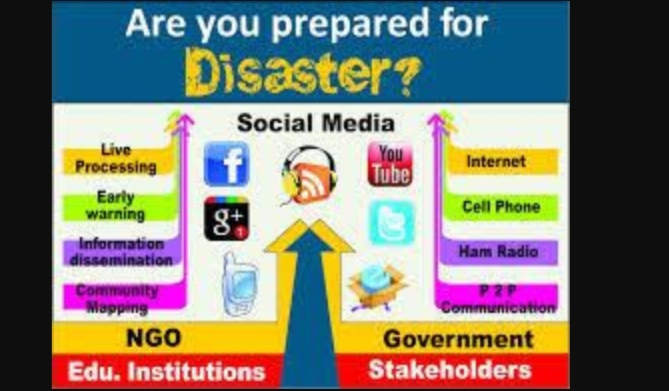
Back to the day when social media is not already there, the information during calamities where provided through television, radio and print. In that day, the information provided by television are not that advance same as the radio wherein people must look for place with good signal and look for the radio with high quality of battery for longer usage. Somehow, print is also provided the source of any information but then people all know that printed information such as newspaper are not that on time. Newspaper was sometimes poor quality in printed image which can lead to misunderstood the information and it can also discarded once you read it.a The information provided that time where limited and very slow but then as being part of the growing technology, we are thankful to have social media, knowing that people can easily communicate and get the information on time. Social media are beneficial, let see how social medi can help families, social workers and government in discerning information during calamities.
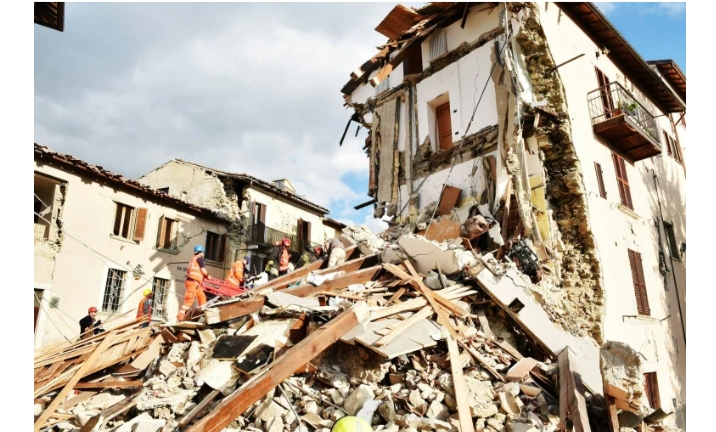
PAST:

Knowing that before, during the earthquake people are not that well prepared, that is because information was only provided by Television and radio. People was not able to see post and announcement regarding the pricted earthquake. They were not able to communicate with their family.

PRESENT:

From now on, information about earthquake were easily provided. People are now able to know if there was an earthquake
that happen in other placr wherein they have relatives. They can communicate with them in just one click.
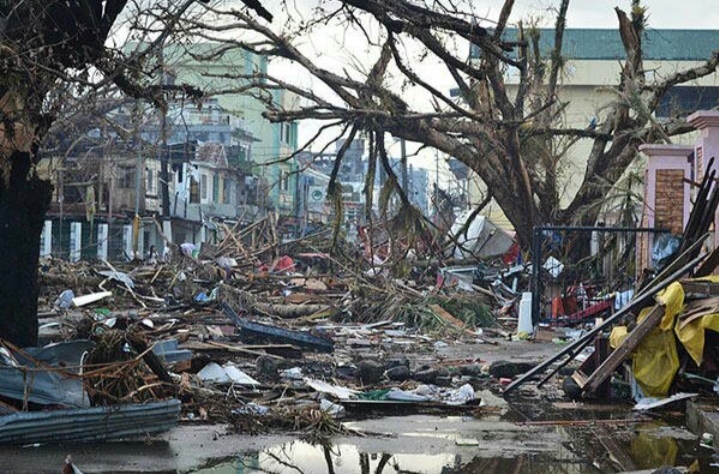
Past:

Before, during typhoon people were damage a lot. People were not updated on information if when and where typhoon will happen.The affected people can’t communicate because of the damage that typhoon brought to them.They can’t call for some help regarding they needs.

Present:

Social media helped the families of the survivors by having a quick access with their loved one’s conditions; hereby victims who have been affected by the situation can be able to communicate with their families or relatives to seek for help or support.
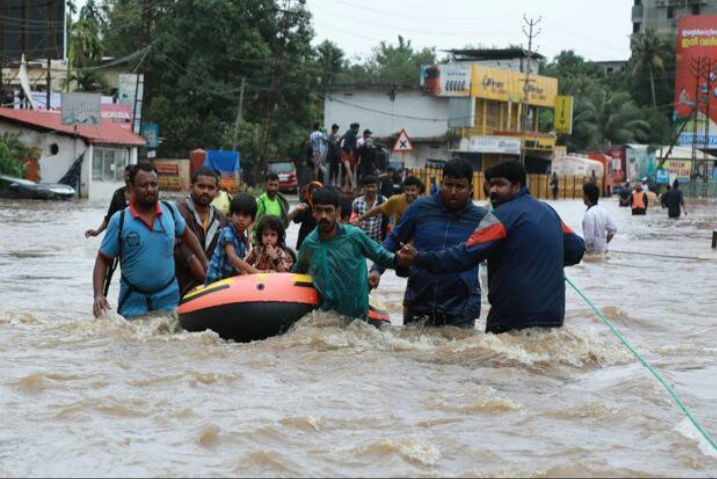
Past:

Without social media, during flood the people were not able to have some help and to know if all were affected by flood and if they were safe. Government were not able to rescue them in case of big flood.

Present:

Social media helps the victim of flood to contact the government agencies to have some help and to have relief goods prepared by agencies.

“HOW SOCIAL MEDIA HAS HELPED FAMILIES, SOCIAL WORKERS, THE GOVERNMENT IN DISCERNING INFORMATION DURING CALAMITIES?”

It helped families, social workers, and government in discerning info during calamities. Through social media every family can easily communicate their relatives from other places especially those outside the country. While in social workers it can be a tool to educate them info’s during calamities.
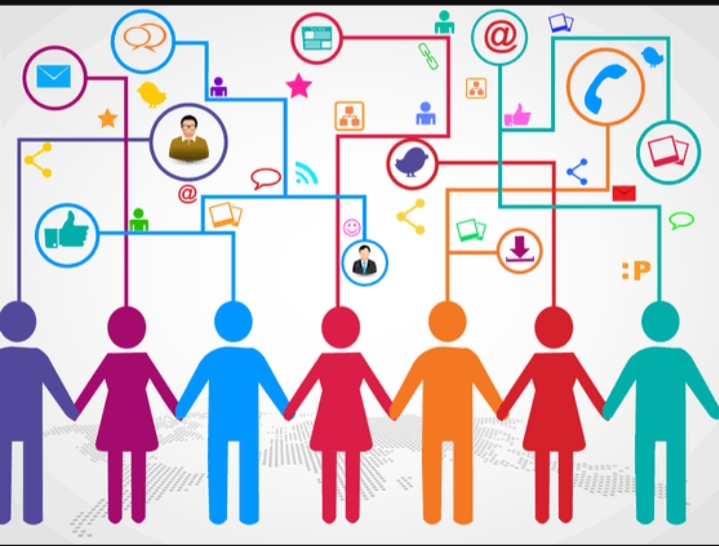
Social media is beneficial, it is helpful during calamities.It provides the information needed by the people.But people should used it in good way, must balance the used of it.
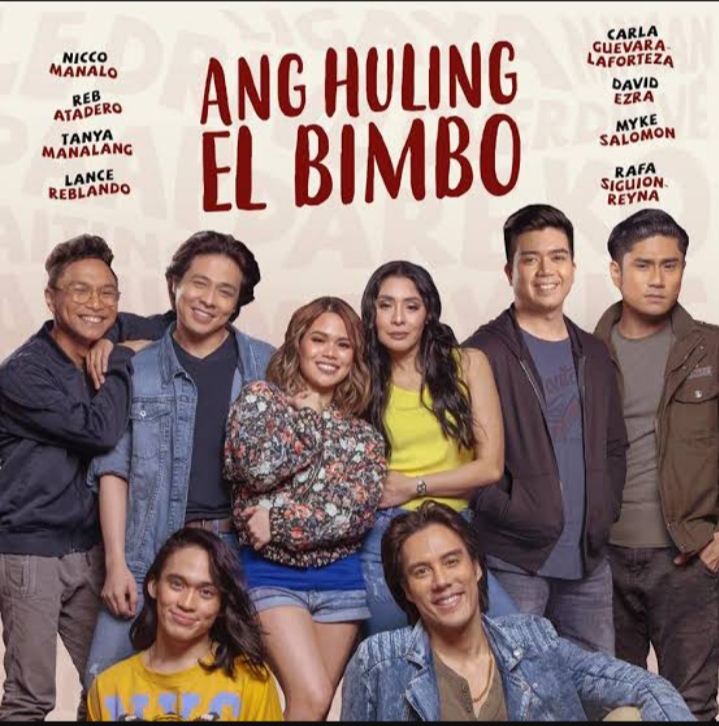
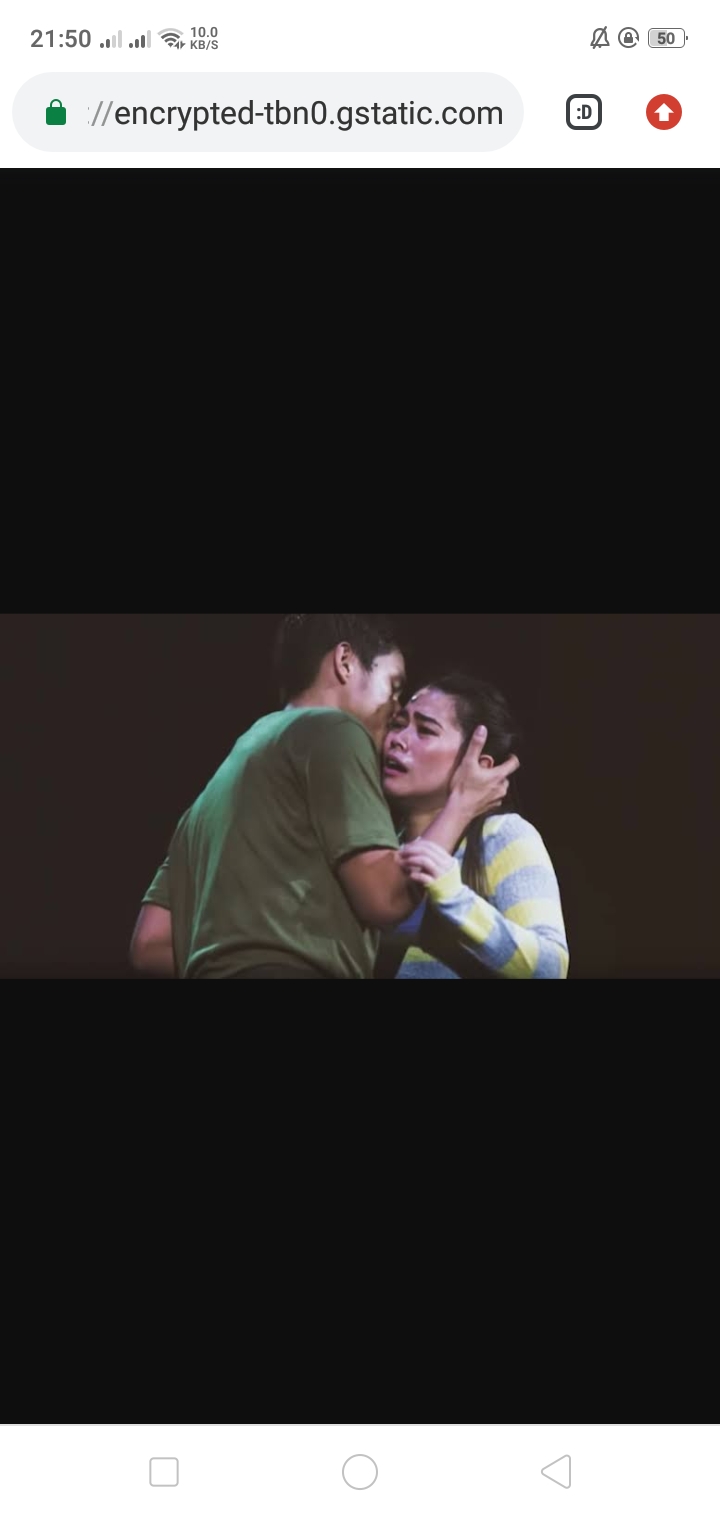
“ANG HULING EL BIMBO;THE MUSICAL THAT WILL BREAK YOUR HEART”

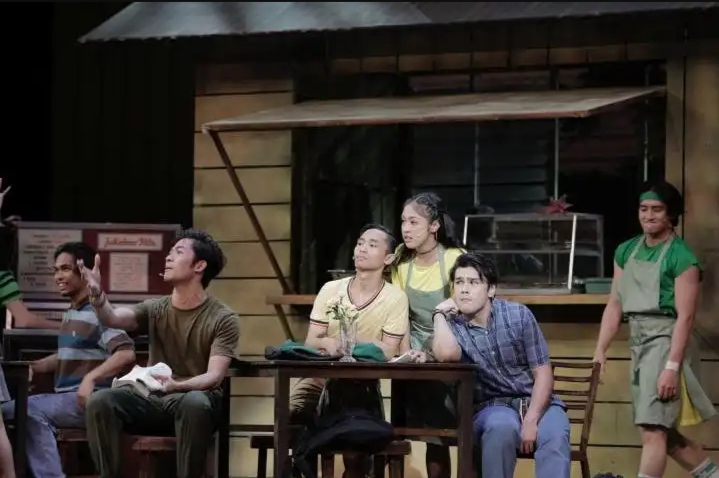
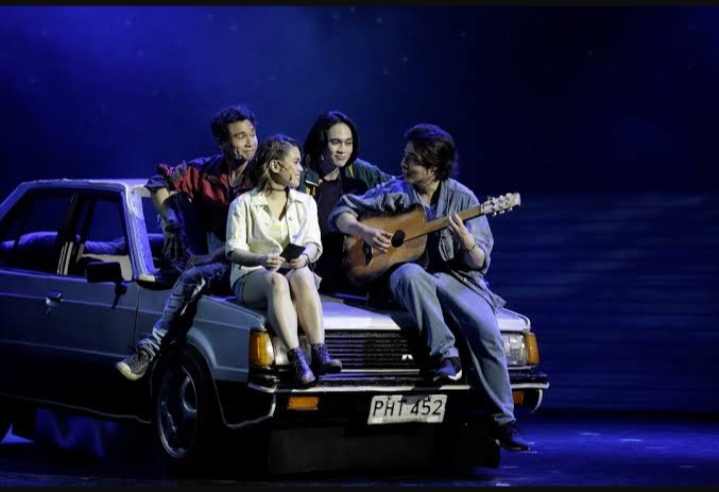
The OPM that I chose to create a blog are all about the music entitled “Ang Huling El Bimbo” kantang inawit ng bandang “Eraserhead” ito ay isang halimbawa ng pagtatanghal na naghahatid ng aliw, kaligayahan, at luha sa mga Pinoy. Higit dito, naimulat ng dulang ito ang iba’t-ibang problema ng lipunan sa pananaw ng manonood. Ito ay isang orihinal na kwento tungkol sa magkakaibigang nagmula sa iba’t-ibang katayuan ng lipunan.

“Lahat ng pangarap ko’y bigla na lang natunaw. Sa panaginip na lang pala kita maisasayaw.”

Those are the famous lines from a famous old school band in the Philippines who continues to create a great impact in the music industry despite having disbanded many years ago. With that huge success and influence, how do you solidify a legend?

Through a musical, of course.They created a musical that pays tribute to one of the greatest Filipino bands out there. For me, their show is more than just a tribute, though. There’s more to it than meets the eye.

“ANG HULING EL BIMBO” follows the story of four friends: Emman, Anthony, Hector, and Joy. Set in two generations, the adventure of this barkada is a journey that teaches its audience how each and every decision we make can lead to different paths and consequences that we have to face and take responsibility for.

After the music video, I went out with a heavy heart and a lot of questions in mind. There are a lot of possibilities that could’ve happened in that story. It didn’t have to end that way. Everyone deserves a happy ending. Still, that is the beauty of Ang Huling El Bimbo. It will leave you satisfied yet begging for more. It will teach you to let go and accept whatever happens inside that theater. No matter how many questions are left unanswered, there are things better left unsaid.

If the song Ang Huling El Bimbo talks about a tragedy, the ending of this show resounds the lyrics of ‘Alapaap’:

“Masdan mo ang aking mata, ‘di mo ba nakikita? Ako ngayo’y lumilipad at nasa langit na… GUSTO MO BANG SUMAMA?”

Introduce Yourself (Example Post)

This is an example post, originally published as part of Blogging University. Enroll in one of our ten programs, and start your blog right.

You’re going to publish a post today. Don’t worry about how your blog looks. Don’t worry if you haven’t given it a name yet, or you’re feeling overwhelmed. Just click the “New Post” button, and tell us why you’re here.

Why do this?

  • Because it gives new readers context. What are you about? Why should they read your blog?
  • Because it will help you focus your own ideas about your blog and what you’d like to do with it.

The post can be short or long, a personal intro to your life or a bloggy mission statement, a manifesto for the future or a simple outline of your the types of things you hope to publish.

To help you get started, here are a few questions:

  • Why are you blogging publicly, rather than keeping a personal journal?
  • What topics do you think you’ll write about?
  • Who would you love to connect with via your blog?
  • If you blog successfully throughout the next year, what would you hope to have accomplished?

You’re not locked into any of this; one of the wonderful things about blogs is how they constantly evolve as we learn, grow, and interact with one another — but it’s good to know where and why you started, and articulating your goals may just give you a few other post ideas.

Can’t think how to get started? Just write the first thing that pops into your head. Anne Lamott, author of a book on writing we love, says that you need to give yourself permission to write a “crappy first draft”. Anne makes a great point — just start writing, and worry about editing it later.

When you’re ready to publish, give your post three to five tags that describe your blog’s focus — writing, photography, fiction, parenting, food, cars, movies, sports, whatever. These tags will help others who care about your topics find you in the Reader. Make sure one of the tags is “zerotohero,” so other new bloggers can find you, too.

Introduce Yourself (Example Post)

This is an example post, originally published as part of Blogging University. Enroll in one of our ten programs, and start your blog right.

You’re going to publish a post today. Don’t worry about how your blog looks. Don’t worry if you haven’t given it a name yet, or you’re feeling overwhelmed. Just click the “New Post” button, and tell us why you’re here.

Why do this?

  • Because it gives new readers context. What are you about? Why should they read your blog?
  • Because it will help you focus your own ideas about your blog and what you’d like to do with it.

The post can be short or long, a personal intro to your life or a bloggy mission statement, a manifesto for the future or a simple outline of your the types of things you hope to publish.

To help you get started, here are a few questions:

  • Why are you blogging publicly, rather than keeping a personal journal?
  • What topics do you think you’ll write about?
  • Who would you love to connect with via your blog?
  • If you blog successfully throughout the next year, what would you hope to have accomplished?

You’re not locked into any of this; one of the wonderful things about blogs is how they constantly evolve as we learn, grow, and interact with one another — but it’s good to know where and why you started, and articulating your goals may just give you a few other post ideas.

Can’t think how to get started? Just write the first thing that pops into your head. Anne Lamott, author of a book on writing we love, says that you need to give yourself permission to write a “crappy first draft”. Anne makes a great point — just start writing, and worry about editing it later.

When you’re ready to publish, give your post three to five tags that describe your blog’s focus — writing, photography, fiction, parenting, food, cars, movies, sports, whatever. These tags will help others who care about your topics find you in the Reader. Make sure one of the tags is “zerotohero,” so other new bloggers can find you, too.